
Little Women: A Lasting Mirror

April 5, 2026
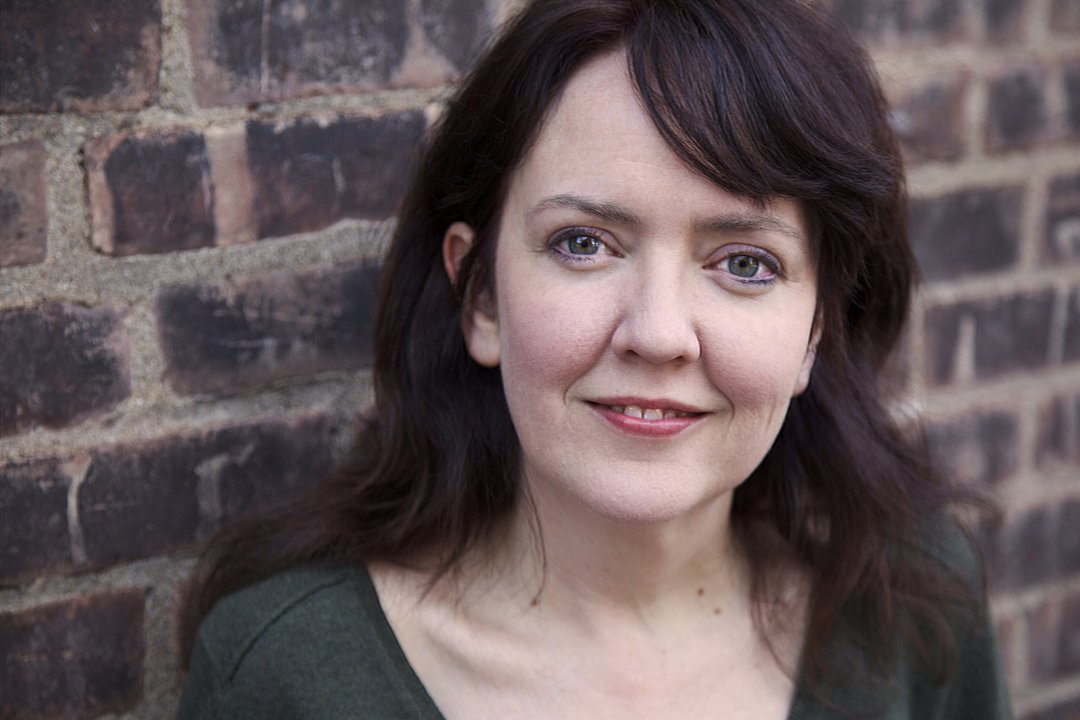
By Jackson Gay, Director
Rehearsing Louisa May Alcott’s Little Women has been a balm. Collaborating with so many deeply talented Twin Cities artists in a room filled with warmth, joy and laughter has felt a little radical while the world around us can seem overflowing with ugliness, aggression and suffering.
Our collaboration on this production reflects that ethos. It feels like an act of resistance — even a call to action — to stage a play so full of hope in our skeptical age. “Hope and keep busy,” Abigail May Alcott, Louisa’s mother and the model for Marmee, was fond of telling her daughters.
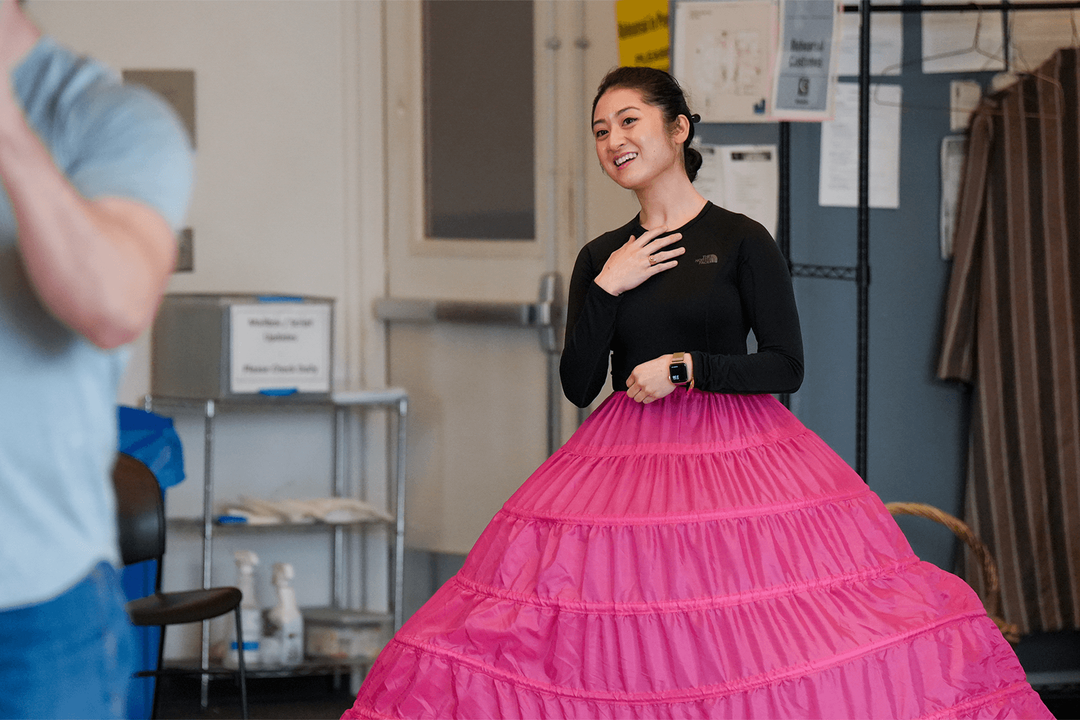
Stephanie Anne Bertumen in rehearsal
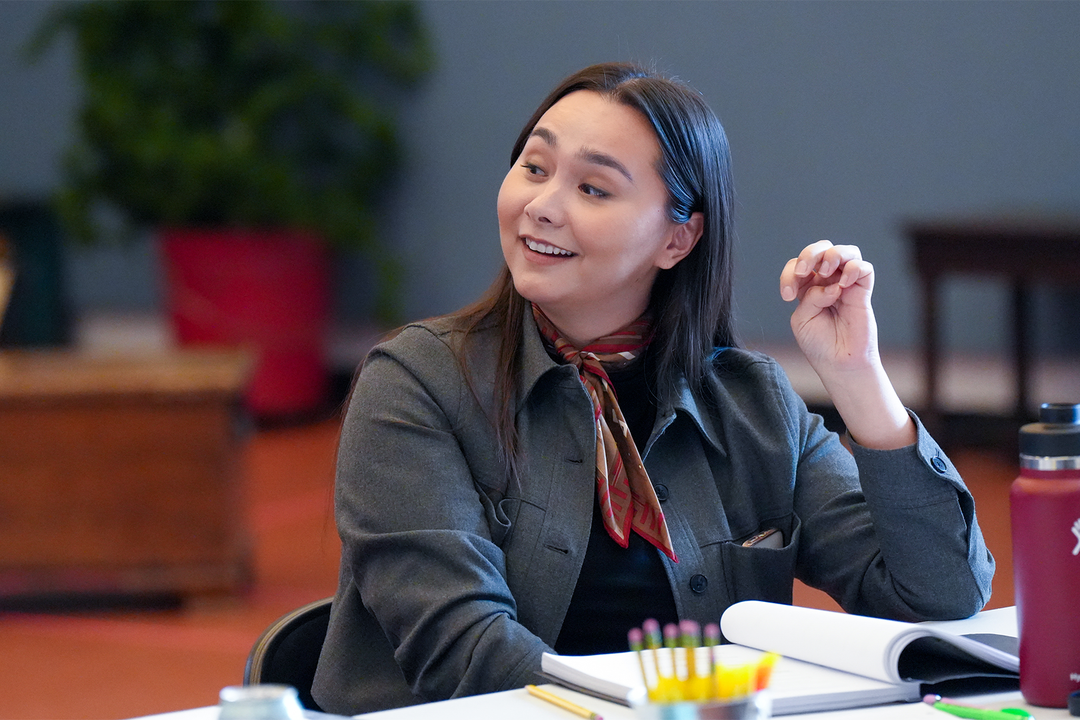
Isabella Star LaBlanc during the first readthrough
In the book — and in Lauren M. Gunderson’s script — it’s exciting to see these little women, Jo and her sisters, find their voices. Jo pursues her ambition as a writer. Meg embraces being a partner and parent. Amy tilts toward artistic achievement. And Beth finds peace in a quiet life, unaware of the lasting ripple effect she’ll have.
I’m so drawn to Gunderson’s approach to this adaptation. She balances the historical context with a freeing dash of contemporary sensibility that releases us from veering into a stultifying nostalgia. Her Little Women is kinetic and bright while reminding us that the values Alcott reflects remain deeply relevant.
One of those values is the importance of caring for our family, our neighbors and our community. That’s something Minnesotans deeply value and have recently put into action through profound and sustained acts of kindness, care and generosity. As you’ve collectively demonstrated, that’s a form of radical resistance against terror and injustice. And it really echoes the Transcendental thought that underscores Little Women.
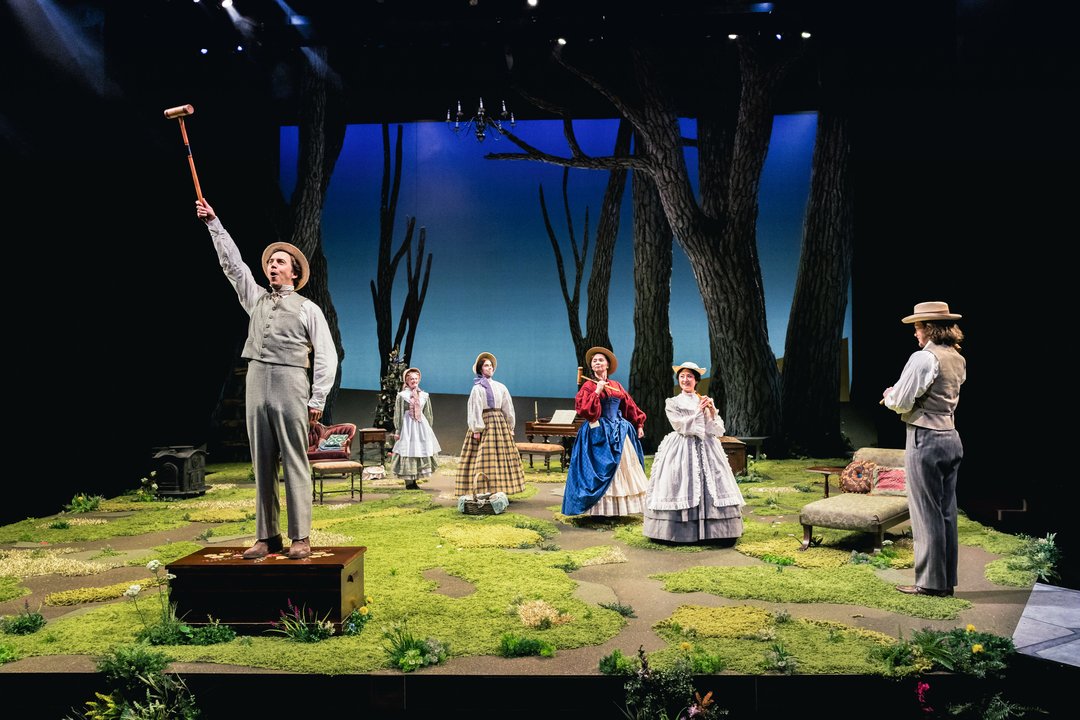
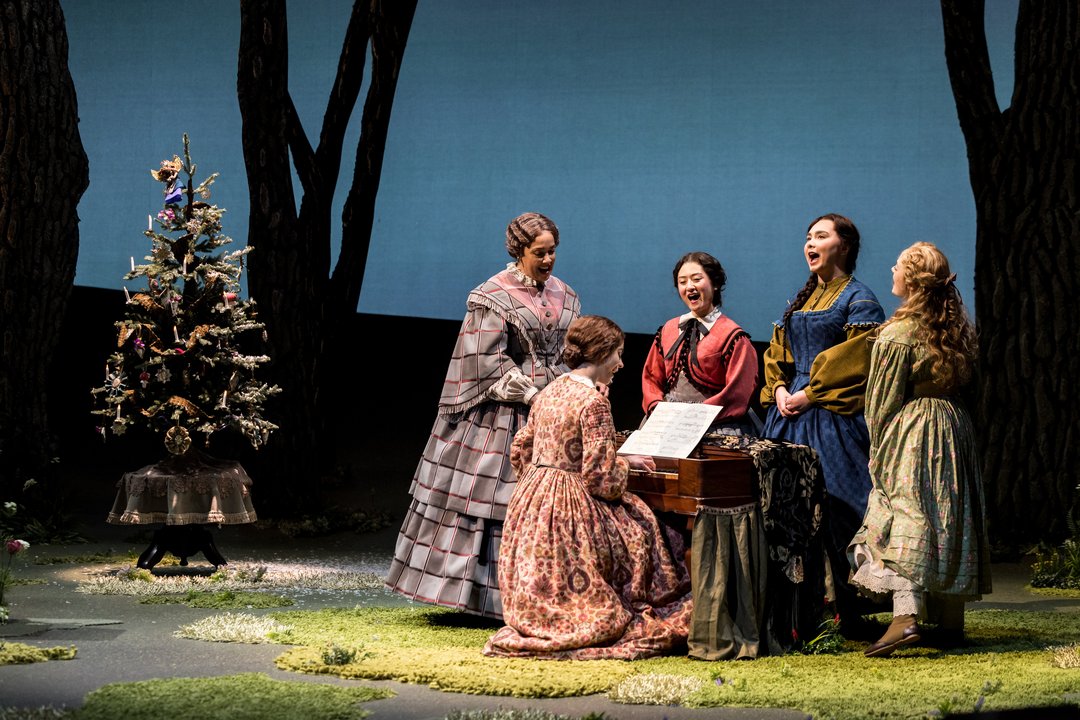
Bronson Alcott, Louisa’s father, espoused Transcendentalism and believed individuals must use their intuition to challenge corrupt social norms. The Alcott family counted two of the movement’s most prominent thinkers among their neighbors — Ralph Waldo Emerson and Henry David Thoreau. Alcott and her sisters were steeped in the Transcendental belief in the importance of nature and the need for social reform. It feels right that in Junghyun Georgia Lee’s set, it’s as if there’s no distinction between outside and inside. Nature lives in their home, and their home expands into the natural world.
I don’t recall exactly when I first read Little Women, but I know it was given to me with the idea that it would reaffirm the Christian values that anchored my parents’ view of the world. What rose to the top for me, though, was Jo’s fierce and consistent refusal to be and do what’s expected of young women. I was entranced by her pursuit of her dreams to create, to be independent, to believe that a bigger life was possible outside the domestic sphere.
I took that to mean I could pursue anything I wanted, as long as I could find a way to financially support myself. Little Women was an early model of independence when I didn’t see other examples in my life. Like lots of other little women in the 150 years since Alcott’s “sensation story” was published, the novel showed me that breaking the patterns around me — however radical it seemed — was possible, even necessary. Alcott’s Jo (who on our stage is also, reflexively, Gunderson’s Louisa) is a badass. And she’s loving, charming, good-hearted and principled. It’s exciting to spotlight that story, even today.
In this staging, I wanted Alcott’s little women to represent all of us. I wanted you, our audience, to see yourself reflected on the stage, loving and laughing together, supporting our neighbors, mourning those who pass away. We’re all the March sisters.
Louisa May Alcott's Little Women ran April 16 – June 21 during our 2025–2026 Season.